Your fridge works 24/7 to keep your food fresh, but when was the last time you gave it some love? If you’re noticing sticky shelves, expired condiments, or that mystery smell every time you

Dated: January 28 2025
Views: 25
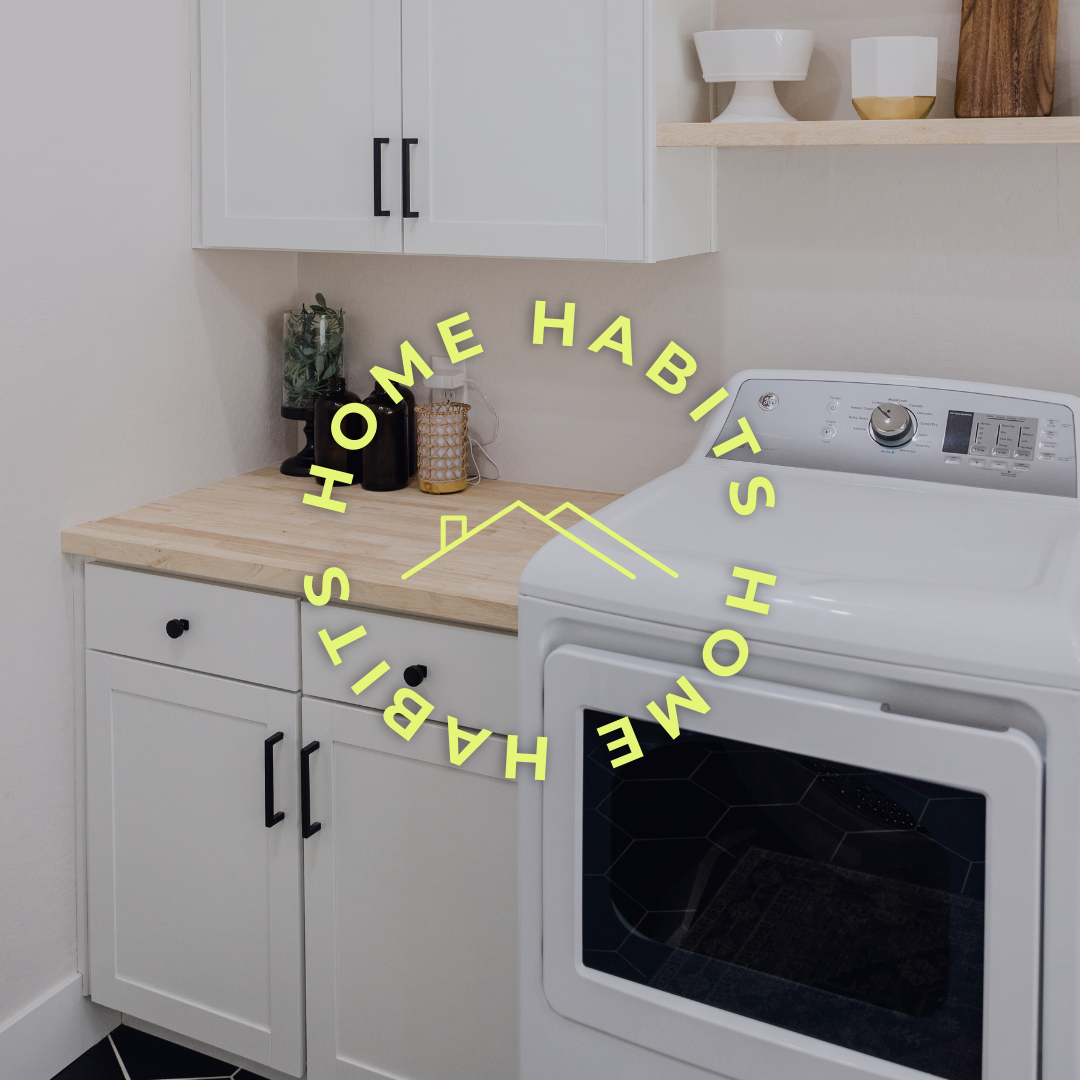
Every homeowner knows that regular cleaning is key to keeping their home safe and efficient. BUT did you know one of the biggest fire hazards might be hiding in your laundry room?
The Problem:
Dryer lint doesn’t just clog up the lint trap - it can also build up inside the vent hose and the exterior vent. Over time, this reduces your dryer’s efficiency and increases the risk of fire. According to the National Fire Protection Association, dryers cause thousands of house fires annually with lint buildup being the leading culprit.
Tackling this important task is easier than you think. Here are some simple steps to follow:
1️⃣ Disconnect the dryer & dryer duct
The first step of how to clean a dryer vent is to unplug your dryer. If you have a gas dryer, be sure to turn the supply valve off while cleaning.
Pull the dryer away from the wall about a foot to begin cleaning your dryer vent.
Disconnect the dryer duct from the back of the dryer. You may need to use a screwdriver to disconnect the vent clamp.
2️⃣ Deep-clean the lint screen and trap
Remove your lint screen, vacuum and/or wash it until it's fully clean. Then, rinse and air dry it before putting it back.
Vacuum out the lint trap, too, using the hose attachment or a shop vac.
3️⃣ Vacuum the duct and clear out the exterior vent
While you have the vacuum out, use it to clean out the duct, as well as around the vent hole at the back of the dryer.
Make sure to go outside of the house to ensure your dryer vent opening is free from lint, debris, or snow. Blockages here can trap hot air inside the vent system, posing a fire risk.
Clean out the dryer vent from the outside using a brush and/or shop vac.
BONUS TIP: Clean the dryer drum - For an extra fresh start, wipe down the dryer drum with a damp cloth and a splash of vinegar to remove any odors and residue.
Looking for a more in-depth step-by-step guide? Check out THIS informative article from Home Depot.
Finally, DON'T FORGET your washing machine, too!
Regularly cleaning your washing machine is important in preventing odors caused by mold and mildew. Be sure to consult your washing machine manual for specific instructions, but things to do include (but aren't limited to) wiping down dispensers, the exterior and the controls, plus running a tub cleaner through a cycle on the hottest setting.
Ready to tackle this quick safety check on your dryer *and* give your washer a good cleaning, too? Let me know if this habit will be on your weekend to-do list!
#HomeHabits #yourHOMEgirl #HomeSafetyTips #DryerVentCleaning #FireSafety #HomeCare #TipTuesday

Olivia Weaver is a full-time, licensed REALTOR® now at RE/MAX Bayshore in Manistee, MI. She is new to the area, but NOT to real estate. Recently relocating from Battle Creek, MI in the fall of 2025 w....
Your fridge works 24/7 to keep your food fresh, but when was the last time you gave it some love? If you’re noticing sticky shelves, expired condiments, or that mystery smell every time you
There’s a reason they say, “Out of sight, out of mind.” But when it comes to home maintenance, ignoring the low-traffic areas of your house can lead to unexpected problems. I was
Winter in Michigan brings freezing temperatures, and when temps drop, your home’s pipes can be at risk. Frozen pipes aren’t just inconvenient - they can burst, causing expensive water
Every homeowner knows that regular cleaning is key to keeping their home safe and efficient. BUT did you know one of the biggest fire hazards might be hiding in your laundry room?The Problem:Dryer
 Listing information is provided by Participants of the MichRIC MLS. IDX information is provided exclusively for personal, non-commercial use, and may not be used for any purpose other than to identify prospective properties consumers may be interested in purchasing. Information deemed reliable but not guaranteed. ©: MichRIC MLS. Last Update September 22, 2026 11:00 AM UTC
 Northern Great Lakes REALTORS® MLS All information deemed reliable but not guaranteed. All properties are subject to prior sale, change or withdrawal. Neither listing broker(s) or information provider(s) shall be responsible for any typographical errors, misinformation, misprints and shall be held totally harmless. Listing(s) information is provided for consumer's personal, non-commercial use and may not be used for any purpose other than to identify prospective properties consumers may be interested
in purchasing. The data relating to real estate for sale on this website comes in part from the Internet Data Exchange program of the Multiple Listing Service. Real estate listings held by brokerage firms other than REMAX Bayshore may be marked with the Internet Data Exchange logo and detailed information about those properties will include the name of the listing broker(s) when required by the MLS. Copyright ©2026 All rights reserved.
Last Updated: September 22, 2026 11:12 AM UTC
Show More...
Northern Great Lakes REALTORS® MLS All information deemed reliable but not guaranteed. All properties are subject to prior sale, change or withdrawal. Neither listing broker(s) or information provider(s) shall be responsible for any typographical errors, misinformation, misprints and shall be held totally harmless. Listing(s) information is provided for consumer's personal, non-commercial use and may not be used for any purpose other than to identify prospective properties consumers may be interested
in purchasing. The data relating to real estate for sale on this website comes in part from the Internet Data Exchange program of the Multiple Listing Service. Real estate listings held by brokerage firms other than REMAX Bayshore may be marked with the Internet Data Exchange logo and detailed information about those properties will include the name of the listing broker(s) when required by the MLS. Copyright ©2026 All rights reserved.
Last Updated: September 22, 2026 11:12 AM UTC
Show More...
